


April 17, 2026
Warum Piaget Luxus besser verstand als Rolex

Felix Goldammer GOLDAMMER
Leiter Marketing
Rolex stellte erfolgreiche Uhren her. Patek Philippe stellte bedeutende Uhren her. Piaget stellte Uhren für Menschen her, die bereits beides besaßen und sich etwas Außergewöhnliches wünschten.
Das mag gegenüber Rolex und Patek etwas unfair klingen, doch wenn man sich ausreichend mit Vintage-Modellen von Piaget beschäftigt, wird es überraschend schwierig, die Marke anders zu beschreiben. Denn in den späten 1960er-Jahren, den 1970er-Jahren und bis weit in die 1980er-Jahre hinein tat Piaget etwas, was fast niemand sonst in der Schweiz zu tun wagte.

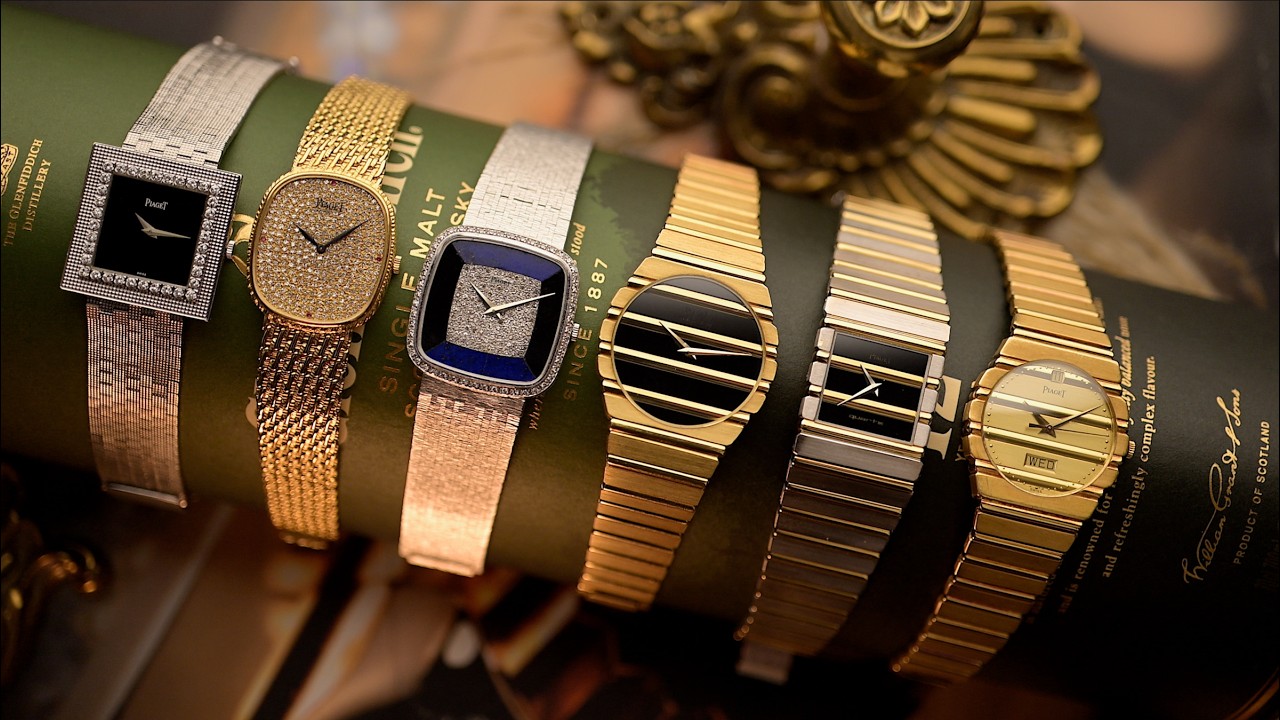
Während andere Marken sich auf praktische Sportuhren, robuste Funktionsuhren und ein immer ausgeprägteres Luxusverständnis konzentrierten, fertigte Piaget Uhren aus Lapislazuli, schwarzem Onyx, Korallen und Tigerauge. Sie besetzten Zifferblätter mit Diamanten, fertigten Armbänder vollständig aus Gold und schufen Formen, die weniger wie Uhren, sondern eher wie winzige architektonische Meisterwerke wirkten.
Auch heute noch wirken viele dieser Uhren gewagter als fast alle Modelle, die derzeit hergestellt werden.
Bevorzugen Sie ein Video? Sehen Sie es sich hier an
Eine andere Vorstellung von Luxus
Wenn Sie die Augen schließen und sich die Welt vorstellen, in der diese Uhren entstanden sind, fällt es viel leichter, sie zu verstehen.
So sah die Welt der 1970er und 80er Jahre aus: Rauchglas, dunkles Holz, Hotel-Lobbys aus Marmor und Restaurants, die von Zigarettenrauch erfüllt waren. Männer trugen Zweireiher, Pilotenbrillen und goldene Armbanduhren – ganz ohne Ironie.

Irgendwo in Mailand oder Monte Carlo verlässt ein Architekt lange nach Mitternacht ein Restaurant, steigt in einen silbernen Mercedes und zündet sich eine Zigarette an. An seinem Handgelenk trägt er keine Rolex Submariner oder etwas anderes Praktisches und Vernünftiges.
Stattdessen trägt er eine Piaget mit einem Zifferblatt aus schwarzem Onyx und einem Armband, das vollständig aus Gold gefertigt ist.
Das war das Besondere an Piaget. Die Marke schien nie besonders daran interessiert zu sein, die praktischste Uhr im Raum zu entwickeln. Piaget ging es vielmehr darum, die schönste, ungewöhnlichste und unvergesslichste Uhr zu schaffen.
In den 1970er Jahren hatte das Unternehmen sogar eine sogenannte „Piaget-Gesellschaft“ ins Leben gerufen – einen Kreis aus Künstlern, Schauspielern und Sammlern, die die Marke umgaben.

Andy Warhol trug Piaget. Ebenso wie Jacqueline Kennedy Onassis, Elizabeth Taylor und Salvador Dalí.
Es handelte sich nicht um Menschen, die nach einer Alltagsuhr suchten. Alles andere hatten sie bereits. Piaget war das, was sie kauften, wenn sie etwas Persönlicheres, Glamouröseres und vielleicht auch etwas Ausgefalleneres suchten.
Die Bewegung, die alles veränderte
Das Seltsame daran ist, dass Piaget ursprünglich keineswegs als glamouröse Marke begann.
Ursprünglich war das Unternehmen vor allem für seine Uhrwerke bekannt, und 1957 stellte Piaget das Kaliber 9P vor, eines der flachsten Handaufzugswerke, die je hergestellt wurden.

Es war nur zwei Millimeter dick.
Die meisten Marken hätten ein solches Uhrwerk genutzt, um eine etwas schlankere Anzugsuhr zu entwickeln. Piaget erkannte jedoch, dass das Uhrwerk zu weitaus Interessanterem fähig war.
Denn wenn das Uhrwerk dünn genug war, musste die Uhr plötzlich nicht mehr den üblichen Regeln folgen. Das Gehäuse konnte flacher gestaltet werden. Das Armband konnte nahtlos in das Gehäuse übergehen. Das Zifferblatt konnte aus Stein gefertigt werden.
Und so schuf Piaget etwas völlig Neues: Uhren, die sich irgendwo zwischen Schmuck, Skulptur und Uhrmacherkunst bewegten.
 Lange bevor Rolex Day-Date- und Datejust-Modelle mit Zifferblättern aus Edelstein herstellte und bevor Patek Philippe mit Lapislazuli und Onyx experimentierte, hatte Piaget dies bereits seit Jahren getan.
Im Jahr 1963 brachte Piaget seine ersten Uhren mit Zifferblättern aus Edelstein auf den Markt, bei denen nicht Farbe oder Lack zum Einsatz kam, sondern echte Scheiben aus Lapislazuli, Onyx, Koralle, Opal, Jade, Türkis, Malachit und Tigerauge, die so dünn geschliffen waren, dass sie auf dem Uhrwerk aufliegen konnten, ohne die Uhr dicker zu machen.
Ohne das Kaliber 9P wäre all das nicht möglich gewesen.
Warum sich Zifferblätter aus Stein anders anfühlen
Ein Zifferblatt aus Stein lässt sich nur schwer beschreiben, bis man es mit eigenen Augen gesehen hat. Ein normales Zifferblatt hat einfach nur eine Farbe. Ein schwarzes Zifferblatt ist schwarz. Ein blaues Zifferblatt ist blau. Ein Zifferblatt aus Stein ist anders.

Schwarzer Onyx wirkt kantig, ruhig und architektonisch. Lapislazuli hat dieses unwirkliche Blau, das fast von innen zu leuchten scheint, als hätte jemand den Nachthimmel in einer Uhr eingefangen. Koralle ist wärmer und leuchtender, während Malachit fast so wirkt, als stamme er direkt von den Wänden einer alten italienischen Villa.
Und da jeder Stein einzigartig ist, wird jede einzelne Uhr zu einem Unikat.
Deshalb sind diese Uhren so schwer zu fotografieren. Das Zifferblatt ist niemals nur eine einfache Fläche. Es bewegt sich im Licht. Es verändert sich.
Das ist uns sofort bei einer der außergewöhnlichsten Uhren aufgefallen, die wir je in den Händen gehalten haben: der Piaget Square mit der Referenznummer 9775.

Weißgold. Schwarzer Onyx. Lapislazuli. 175 Diamanten.
Schon allein diese Worte laut auszusprechen, kommt mir ein wenig absurd vor, und vielleicht ist die Uhr gerade deshalb so wunderbar.
Vor der Kamera sieht die 9775 bereits wunderschön aus. Doch in Ihrer Hand entfaltet sie eine ganz andere Wirkung. Das schwarze Onyx wirkt plötzlich noch intensiver. Der Lapislazuli beginnt in einem unwirklichen elektrischen Blau zu leuchten. Die Diamanten fangen das Licht aus allen Richtungen gleichzeitig ein.
Man versucht, sie zu fotografieren, man versucht, sie zu filmen, und jedes Mal sieht die Uhr zwar gut aus, aber nicht ganz richtig, denn was sie so besonders macht, ist nicht nur ihr Aussehen. Es ist das Gefühl, das sie vermittelt, wenn sie zum Leben erwacht.
Die Uhren, die eigentlich nicht funktionieren dürften
Das Faszinierendste an Vintage-Uhren von Piaget ist vielleicht, dass so viele dieser Uhren eigentlich gar nicht mehr funktionieren dürften.

Nehmen Sie zum Beispiel die Piaget Polo Zebra. Eine Uhr aus massivem Gold, deren Zifferblatt und Armband von abwechselnden Streifen aus schwarzem Onyx, Gelbgold und Weißgold durchzogen sind.
Auf dem Papier klingt das fast lächerlich.

Und doch macht es am Handgelenk irgendwie vollkommen Sinn.
Oder die Piaget Ellipse mit der Referenznummer 94438, eine winzige Uhr aus Gelbgold aus den 1980er Jahren mit einem vollständig mit Diamanten besetzten Zifferblatt, das lediglich von vier Rubin-Indexen und einem Paar unglaublich zarter schwarzer Zeiger unterbrochen wird.
Mit einer Breite von nur 27 Millimetern sollte sie am Handgelenk kaum auffallen.

Stattdessen hat sie mehr Ausstrahlung als Uhren, die doppelt so groß sind.
Das ist der Zauber von Piaget. Die Marke hat erkannt, dass Luxus nicht immer auffällig sein muss. Manchmal kann er sich ganz behutsam entfalten.
Aus der Entfernung wirkt eine Vintage-Uhr von Piaget oft fast zurückhaltend. Doch wenn man näher kommt, bemerkt man plötzlich, dass das Zifferblatt aus Stein gefertigt ist, dass die Lünette mit Diamanten besetzt ist oder dass das Armband aus massivem Gold besteht.
Die Uhr wartet still, bis jemand sie bemerkt.
Teurer als eine Rolex
Oft wird angenommen, dass diese Uhren, da sie klein und elegant sind, im Vergleich zu den großen Sportuhren jener Zeit eher unauffällig oder vielleicht sogar erschwinglich gewesen sein müssen.
Das Gegenteil war der Fall.

Eine Piaget Polo aus massivem Gold konnte Anfang der 1980er Jahre so viel kosten wie ein Kleinwagen. Die aufwendigsten Modelle mit Edelsteinzifferblatt und Diamantbesatz waren oft teurer als eine Rolex Day-Date und manchmal sogar teurer als eine Patek Philippe.
Diese Uhren wurden nicht für jemanden entwickelt, der zwischen einer Rolex und einer Piaget wählt. Sie wurden für jemanden entwickelt, der bereits eine Rolex und einen Mercedes besaß und sich etwas Selteneres und Persönlicheres wünschte.
Das ist auch der Grund, warum heute nur noch so wenige davon existieren. Im Gegensatz zu Rolex, wo eine Referenznummer in der Regel bedeutet, dass alle Uhren mehr oder weniger gleich aussehen, ermöglichte Piaget seinen Kunden oft, verschiedene Kombinationen aus Edelsteinen, Diamanten, Armbändern und Materialien zu wählen.
Ein Kunde bestellt vielleicht eine Uhr mit Onyx und Diamanten. Ein anderer mit Lapislazuli und ohne Diamanten. Ein weiterer mit Koralle und einem ganz anderen Armband. Das bedeutet, dass selbst wenn Sie zweimal dieselbe Referenz finden, die Wahrscheinlichkeit groß ist, dass die beiden Uhren dennoch völlig unterschiedlich aussehen. Vintage-Piagets wirken nicht wirklich wie Produkte.
Sie wirken wie eigenständige Objekte mit einer ganz eigenen Persönlichkeit.
Warum Piaget heute so modern wirkt
Vielleicht ist das der Grund, warum Piaget heute wieder so frisch wirkt.
Moderner Luxus ist seltsam vorhersehbar geworden. Die meisten neuen Uhren scheinen nach dem gleichen Schema zu funktionieren: größere Gehäuse, Stahlarmbänder, blaue Zifferblätter, limitierte Auflagen und endlose Diskussionen darüber, welches Modell die perfekte Alltagsuhr ist.

Vor vierzig Jahren fertigte Piaget bereits winzige Uhren aus massivem Gold mit Onyx, Lapislazuli und Diamanten an.
Und irgendwie wirken sie dennoch gewagter.
Denn Piaget hat nie versucht, die perfekte Uhr zu bauen.
Die Marke wollte etwas Unvergessliches schaffen.
Und normalerweise, wenn das Licht im genau richtigen Winkel auf das Zifferblatt fällt und sich jemand ein wenig näher beugt, um einen Blick auf Ihr Handgelenk zu werfen, werden diese Uhren genau das.


Hinterlassen Sie einen Kommentar