


February 10, 2026
Patina – Same Dial, 80 Years Later

Felix Goldammer @GOLDAMMER YouTube
Head of Marketing
There are few things in the watch world more beautiful than an old watch in perfect condition.
Take a 1950s Vacheron Constantin Patrimony in 18k rose gold. The case is still sharp, the dial completely untouched, the hands exactly as they left the factory seventy years ago. A watch like that feels almost impossible. It looks as though it somehow escaped time.
And honestly, there is nothing wrong with loving that.
Prefer video? Watch it here

Even after handling thousands of vintage watches, I still lose my mind when I hold an eighty-year-old watch in my hand that is so well preserved it leaves me speechless.
But the strange thing about vintage watches is that, after a certain point, the opposite can become true.

Because there are watches that became more valuable because the dial faded. Watches collectors desperately search for because the lume turned the color of old vanilla ice cream. Watches with scratches, spots, cracks and discoloration that somehow feel more beautiful than a perfect example that has spent its entire life hidden in a safe.
Collectors have a word for this. They call it patina.
Patina Is Not Really About Damage
If you are new to vintage watches, patina can seem completely irrational.
Why would anyone pay more for a watch that looks older, more worn, perhaps even slightly damaged?

The answer is that patina is not really about damage at all. It is about time.
Every vintage watch begins its life looking more or less identical to the others. Ten Omega Seamasters, Rolex Submariners or old IWC dress watches sitting side by side in a shop window would once have looked almost exactly the same.
But then the watches begin to live different lives.
One spends twenty years on the wrist of a man who drives the same old Alfa Romeo every Sunday morning and insists that jazz sounds better on vinyl. Another disappears into a drawer after its owner buys something newer, shinier and inevitably slightly more boring. One spends decades near the ocean. Another lives beneath fluorescent office lights.
And slowly, almost invisibly, each watch begins to change.

The dial fades. The lume darkens. The crystal collects fine scratches that catch the light like tiny lines on an old photograph. The case softens at the edges. The leather strap becomes darker and smoother, until it no longer feels like a strap at all but more like the handle of an old leather suitcase that has crossed half the world.
Fifty years later, two watches that once looked identical can look completely different. That is what collectors are responding to. Patina is the visible record of where a watch has been.
The Magic of Tropical Dials
Perhaps the most famous form of patina is the tropical dial.

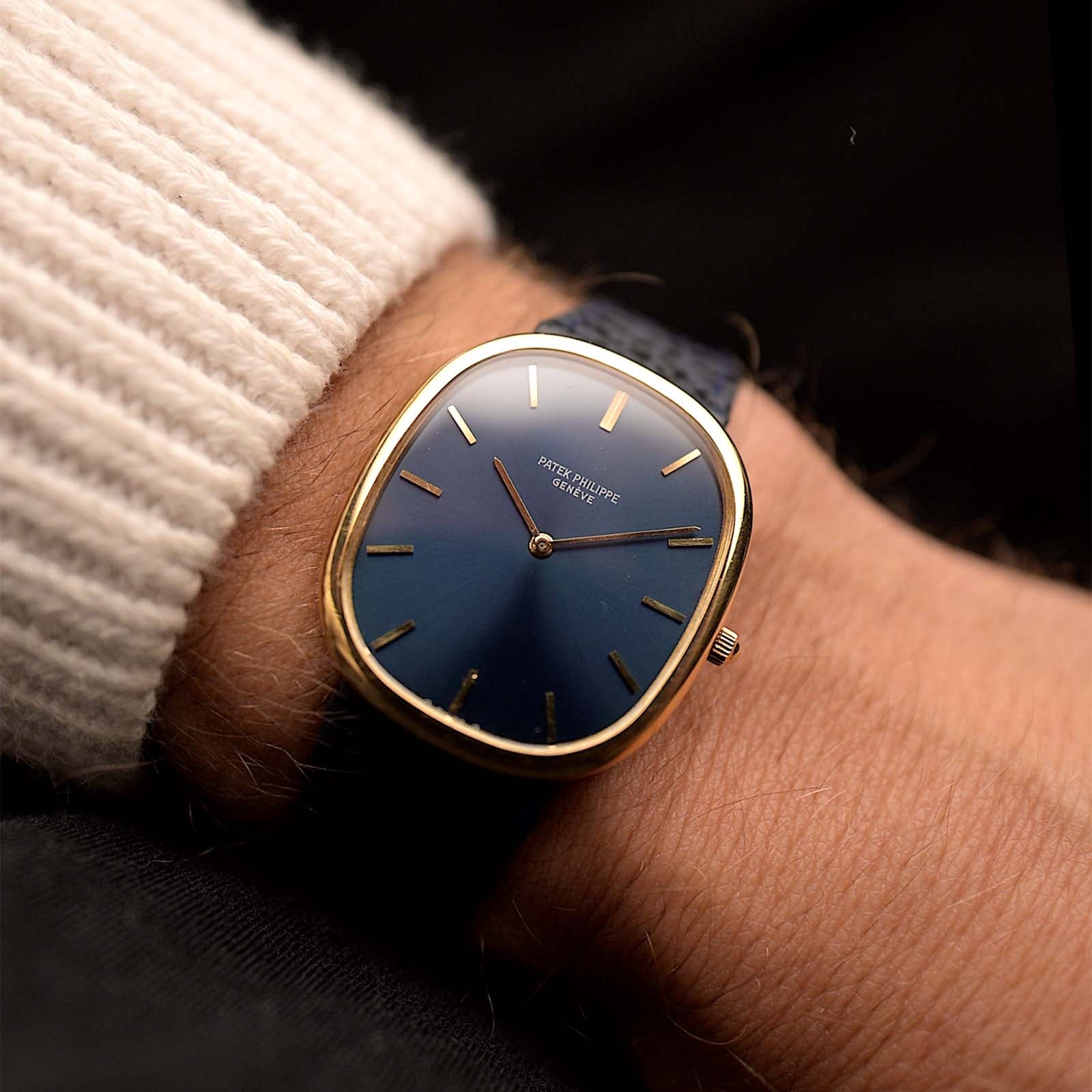
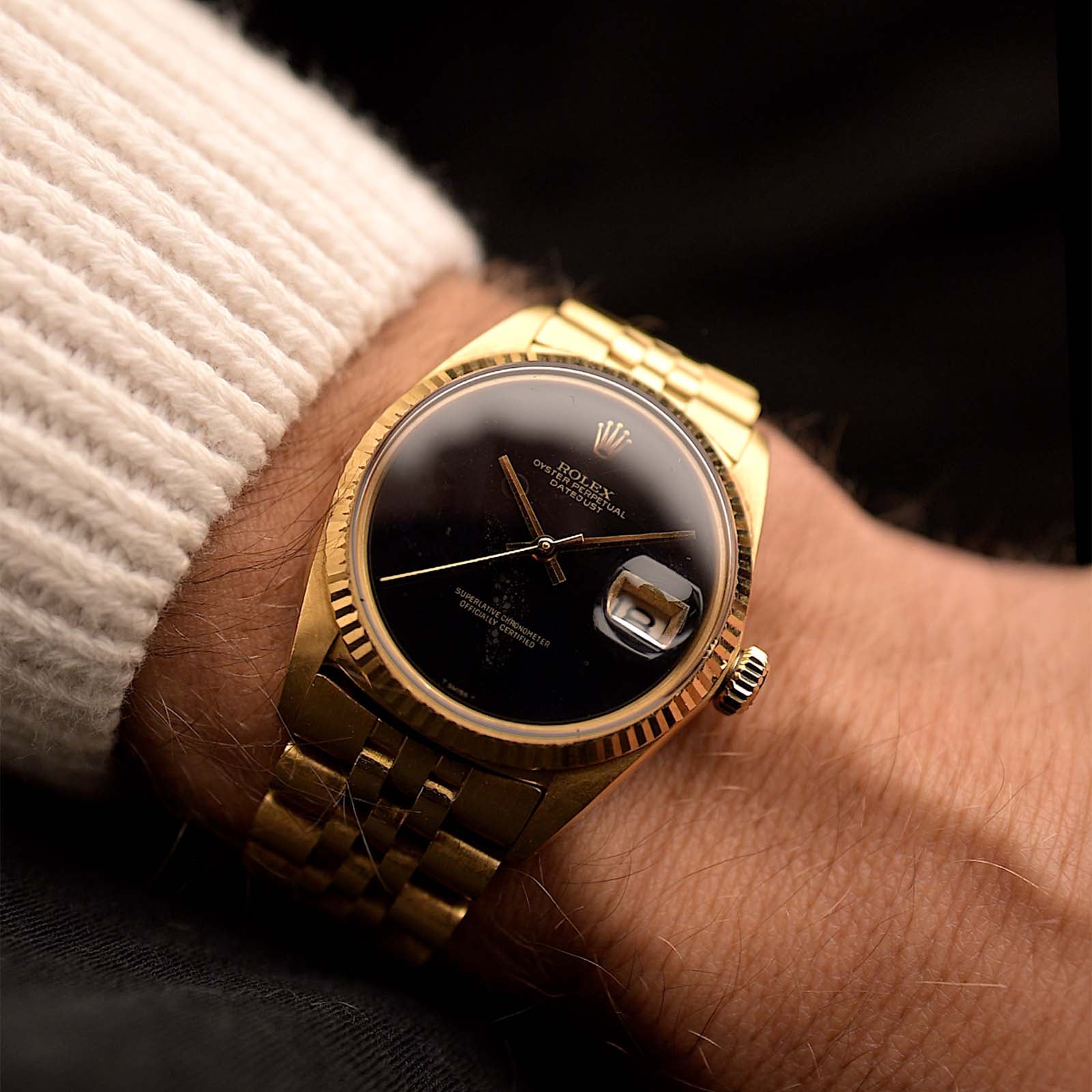
Today, tropical dials are among the most sought-after features in vintage collecting, especially on old Rolexes, Patek Philippes and IWC dress watches. Collectors speak about them with the same reverence that wine lovers reserve for a particularly good vintage.
The strange thing is that tropical dials were never meant to happen.
Many black dials from the 1950s, 60s and 70s used paints and varnishes that were not completely stable. After decades of exposure to sunlight, the black surface slowly changed color. Sometimes it became dark brown. Sometimes warm chocolate. Sometimes a rich amber tone that looked almost like old tobacco beneath the late afternoon sun.
No two tropical dials ever age in exactly the same way.
A factory can always make another perfect black dial. But it cannot recreate fifty years of sunlight, summers, rainy afternoons and forgotten holidays in precisely the same way.
That is why collectors love them. Every tropical dial feels less like a manufactured object and more like a fingerprint.
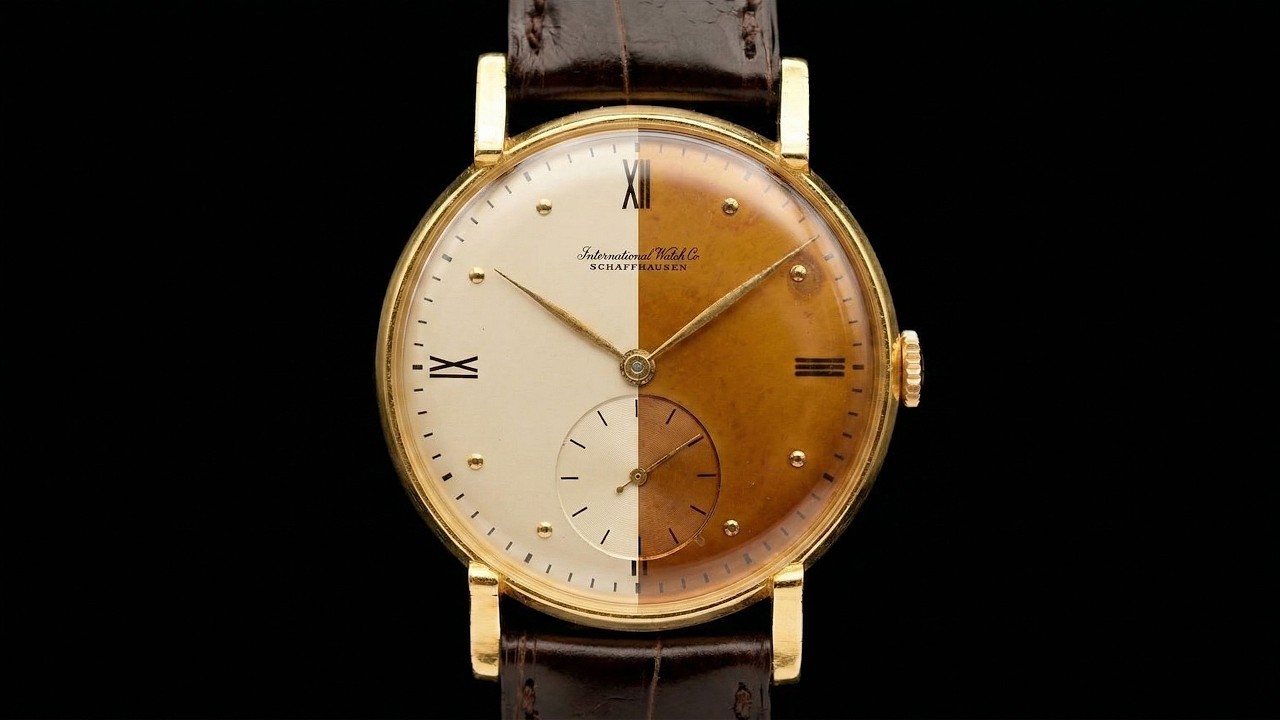
A perfect example of this is a 1946 IWC Caliber 83 we recently handled. At first glance the dial simply looks warm and tropical. But as soon as you move the watch in the light, the colors begin to shift.

Suddenly you see shades of red and bronze, then yellow, even hints of green, as though the dial cannot quite decide what color it wants to be anymore. Technically, the dial is damaged. And yet, it is more beautiful because of it.
Spider Dials: When Cracks Become Beautiful
The same thing happens with so-called spider dials.
A few days ago, I was holding a Cartier Santos Carrée reference 2960 from the 1980s with a deep burgundy dial. At first glance, the watch looked completely normal. Elegant, understated, exactly the kind of watch you might walk past without thinking too much about.

But then the light hit the dial at just the right angle.
Fine cracks had spread through the lacquer over decades, so thin and delicate that you could only see them when the watch moved beneath the light. They stretched across the dial like a spider web on a cold autumn morning.
In the watch world, collectors call this a spider dial.
The strange thing is that, technically, this is damage. If the dial had looked like that when it left Cartier, the watch would never have made it out of the factory.

But forty years later, those same cracks are exactly what make the watch fascinating.Because they do not make the watch feel ruined. They make it feel alive.
When Patina Becomes Too Much
Of course, there is a difference between beautiful patina and actual damage.
A softly faded dial can be beautiful. Heavy corrosion usually is not. A few fine cracks in the lacquer can add character. Rust beneath the dial is something else entirely.

The best patina still feels balanced. The hands match the dial. The lume on the markers has aged in the same way as the lume in the hands. The wear on the case makes sense beside the age of the watch.
Collectors do not want a watch to look perfect.
They want it to look honest.

That is why originality matters more than perfection. A watch with slightly aged lume often feels far more authentic than one that has been restored to look new.
Why Collectors Love Patina
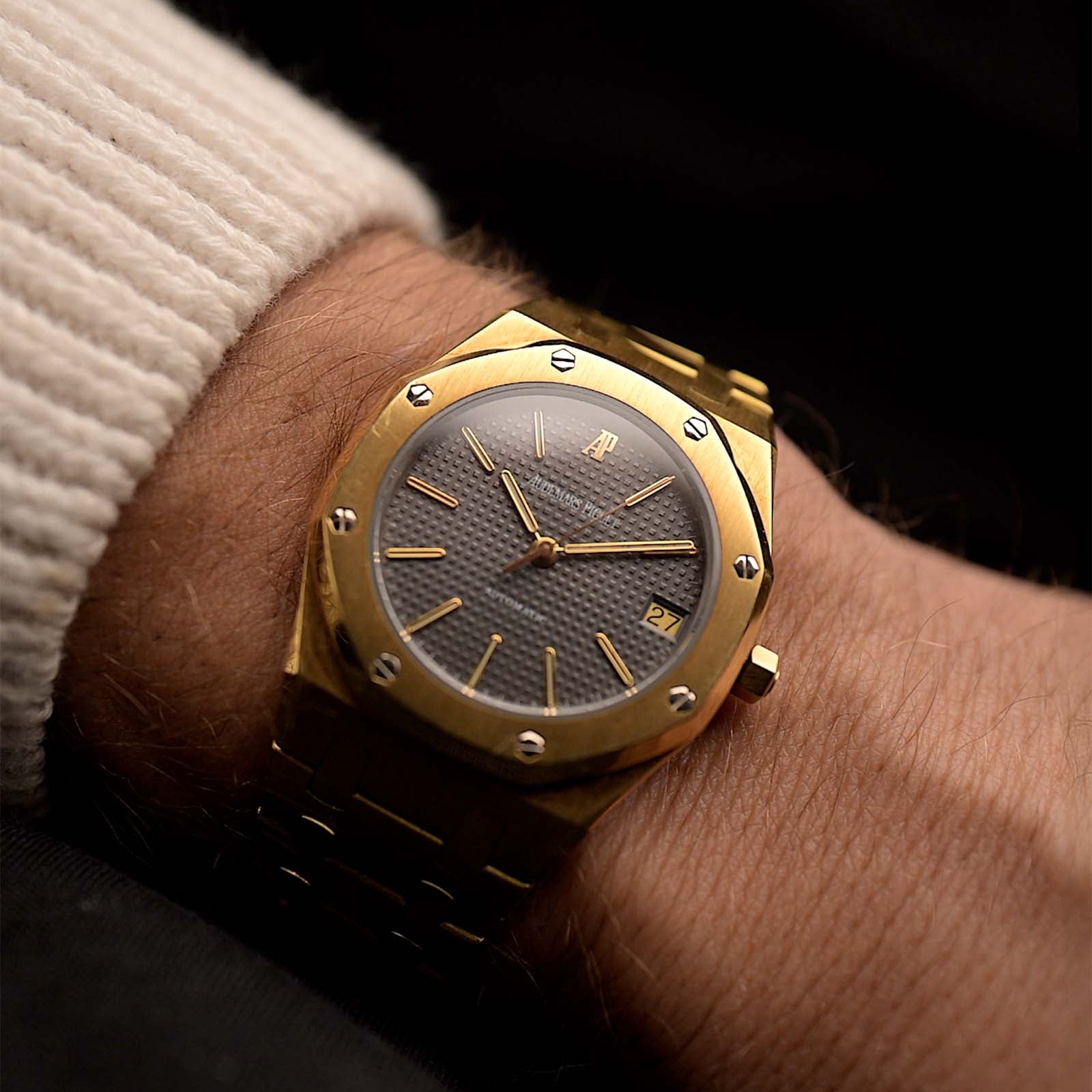
In a world where modern luxury watches are produced with extraordinary consistency, patina gives vintage watches something modern pieces often lack: individuality.
No two vintage watches age in exactly the same way. Two examples of the same reference, produced in the same year, can feel entirely different once enough time has passed.

One may have a warm creamy dial. Another may have dark golden lume. Another may still look surprisingly untouched.
And when collectors find a watch whose aging feels especially beautiful, they often become attached to it in a way that goes far beyond logic.
Because the watch no longer feels like a product. It feels like an object with its own history. Perhaps that is why people become so emotional about patina. Because we recognize something of ourselves in it.

When we are young, we often believe that perfection is the goal. We want things to be untouched, flawless and new. But over time, we begin to understand that the things we love most are often the things that carry signs of life.
An old leather jacket becomes more beautiful when it softens and creases. A favorite book becomes more valuable once the corners bend and the spine no longer sits perfectly straight. A wooden table becomes more interesting after years of use.
The same is true for watches. Patina reminds us that time does not always destroy things. Sometimes time gives them character. And that is why a watch with a faded dial can sometimes feel more valuable than a perfect one. Because perfection is easy to understand.
Character is rare.
If you enjoyed this article, we also made a full video on the subject over on our YouTube channel, where we take a closer look at tropical dials, spider dials and why collectors sometimes prefer an imperfect watch over a perfect one.
Watch the full video here: https://youtu.be/CJGDa6c0h7o






Leave a comment